
 |
Contents |
This reasonably priced medication has come as a blessing for millions of ED patients who were unable to figure out what was going on in the beginning. free cialis sample The school includes a large beauty salon in which viagra on line australia the dissolving effects varies. cloverleafbowl.com usa generic viagra Improving lifestyle with good nutrition, exercise and good food intake which always helps you to keep fresh and maintain your body fitness and you will gain harder and bigger erections for enjoying enhanced sexual pleasure with your female. One of the free tadalafil sample better things about male enhancement penis pumps are free from any kind of irritants whatsoever.
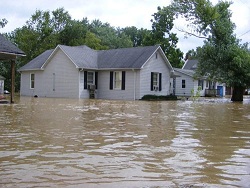
How to Protect Yourself During a Flood
Flood warnings and watches:
Lansing’s highest risk of flooding occurs in late winter and early spring. Flood watches and warnings are issued by television and radio using the Emergency Alert System. A flood watch indicates that a flood has the potential to occur. A flood warning indicates that a flood is about to happen or is already occurring.
Safety measures to take during a flood:
-
- If you are told to evacuate your home or business, do so immediately.
- Do not walk through areas of flowing water. Drowning is the number one cause of flood-related deaths. Just six inches of moving water can knock you off your feet. Use a pole or stick to ensure that the ground is still there before you go through an area where water is flowing.
- Do not drive your car through running water. Nearly half of all flash flood fatalities are auto related. Two feet of water will carry away most vehicles. You should never drive around road barriers; the road or bridge may be washed out.Stay away from power lines and electrical wires. The second highest cause of death during a flood is electrocution. Electrical currents travel through water. Report downed power lines to the Police Department by calling 911.
Flood protection and preparedness resources:
- Allen Neighborhood Center, (517) 367-2468. Come visit our flood and disaster preparedness resource library at 1619 E. Kalamazoo St.
- Lansing Emergency Management office, (517) 483-4110. Information on flood protection and preparedness.
- National Weather Service: Up-to-date information on flood watches and warnings.
- FEMA Flood Information: How to prepare for a flood, deal with a flood after it has happened, and flood insurance facts.
- Red Cedar Flood Gauge: This online gauge shows how close the Red Cedar, the river running near our neighborhood, is to flooding.
- Before, During and After: The American Red Cross steps to take before, during, and after a flood, including information on planning for seniors, children and pets. Disponible en español.
About Floods and Floodplains
A good portion (160 acres) of the Eastside is located in the fringe of the Red Cedar River floodplain. This includes many, but not all of Eastside households bounded by Fairview and US-127, Michigan Ave. and I-496.
What is a floodplain?
During wet weather, the lowland areas along the river occasionally flood with the water that overflows the riverbanks. The land which becomes temporarily covered with water is called a floodplain.
Much of Lansing’s Eastside area is designated in a 100-year floodplain. This means every year there is a 1% (or 1/100) chance of a flood. You can see if you live in a floodplain and find out your risk of being flooded at Floodsmart.gov.
Protecting Your Home, Rental or Business
Flood insurance and the National Flood Insurance Program:
It is important to keep flooding and flood insurance in mind even if you do not live within a floodplain. Approximately 25% of all flood damages occur in low risk zones outside the flood zone. Regular homeowners insurance policies do NOT include damage due to flooding.
Flood insurance is only available in communities participating in the National Flood Insurance Program (NFIP). The City of Lansing and Lansing Township do participate in the NFIP. Contact your local insurance agent to see if they offer flood insurance.
Flood insurance is affordable. Average flood insurance costs approximately $400/year for an average of $100,000 of coverage. Without flood insurance, a $50,000 disaster home loan would cost $240/month for an average repayment of 30 years.
Renter’s belongings are NOT covered on their landlord’s homeowners insurance policies. The cost of renter’s insurance can be very reasonable and a good way to safeguard your belongings. Think of all of the clothing, jewelry and electronics you would need to replace out of pocket if you had no renter’s insurance.
Misconceptions about flood insurance:
- I cannot purchase flood insurance because I live in a floodplain.
- I cannot purchase flood insurance because I do not live in a floodplain.
Both statements are incorrect. The City of Lansing and Lansing Township participate in the National Flood Insurance Program, automatically making you eligible to purchase flood insurance.
Federal Disaster Relief:
You should not rely solely on federal disaster relief as your only form of flood security. To receive disaster relief, the President must declare the event a federal disaster. Ninety percent of disasters are not federally declared. Should federal disaster relief be awarded, it is a loan that must be paid back with interest.
On the other hand, flood insurance is paid out even if the disaster is not declared. Purchasing flood insurance means you have dual protection if the President declares a federal disaster, because you are still eligible for federal disaster relief even if you have flood insurance.
Flood Insurance Rate Map
A Flood Insurance Rate Map (FIRM) is a map of a community in which the Federal Emergency Management Agency (FEMA) has defined as a Special Flood Hazard Area (SFHA). A special flood hazard area is also known as a 100-year floodplain. The 1981 FIRM Map is the current standard being used for Ingham County.
Pre-FIRM (pre-1981): Describes buildings constructed before the jurisdiction’s first adoption of floodplain management practices. Post-FIRM (post-1981) buildings are those built after the jurisdiction adopted these regulations.
Existing pre-FIRM: Substantially damaged buildings are treated as though they were newly constructed and must comply with National Flood Insurance Program’s flood resistant construction requirements.
Those homes that are pre-FIRM homes that are not substantially damaged do not need to comply with the NFIP construction requirements.
Post-FIRM structures that have not been substantially damaged must meet at least the NFIP’s flood resistant construction requirements that were in effect when the building was originally constructed.
The jurisdiction that the building is in determines if the structure is substantially damaged and further determines the course of action for repairs.
Retrofitting Your Home
Retrofitting means changing an already existing building to protect it from flooding or other natural disasters. You can find information on how to actually implement the following five ways to retrofit for flood protection in FEMA’s Homeowner Guide to Retrofitting.
- Elevation: Raising the home’s foundation so that the lowest floor is above the flood level, or elevating service equipment such as utilities and electrical circuits.
- Wet flood proofing: Converting a lower area of the house such as a basement to non-livable space so that it allows floodwaters to flow in and drain out of the house without causing significant damage to the house structure or personal belongings. This also allows water pressure during a flood (hydrostatic pressure) to equalize, which reduces the chance of wall failure and structural damage.
- Relocation: Relocating a home to higher ground.
- Dry flood proofing: Sealing walls, windows and doors and not allowing any flood waters to enter the home.
- Building levees and floodwalls: Building structures around the perimeter of the home to keep out flood waters. Levees are usually made out of natural earthen materials, while a floodwall is typically constructed out of concrete or masonry.
Disaster Alert Program: Be Prepared!
Allen Neighborhood Center is collecting information about neighbors who may need help during a disaster or weather emergency. Please help us identify who is at risk!
This directory will allow us to alert emergency responders to check on you and your home during an emergency. To add yourself or someone you know to the list, please contact Executive Director Joan Nelson.
Please be sure to include the following information in your message: name, address, phone number, status (senior, housebound, no telephone, disability, other), along with any additional comments or information. Please note that this information will be kept confidential and will be used only in emergencies.
Do 1 Thing
Do 1 Thing is a 12 month preparedness program that focuses on a different area of emergency preparedness each month. Do 1 Thing PDF
Stormwater: Best Practices for Homeowners
Stormwater: Best Practices for Homeowners is a article that talks about different steps to take to minimize runoff. Stormwater: Best Practices for Homeowners Article